

.png)
Adding another tool isn’t always the answer. If it creates another login, another version of the customer record, or months of work before teams see value, you may be adding to the problem rather than consolidating it. In Part 2 of our series, we look at three questions revenue teams should ask before adding another tool, especially now that AI agents are acting on the data too. The goal isn’t more tools. It’s fewer places to look for the truth.
.png)
This is Part 1 in a short series on what has to be true before revenue teams, and the AI now acting on their data, can trust the record they are all looking at.
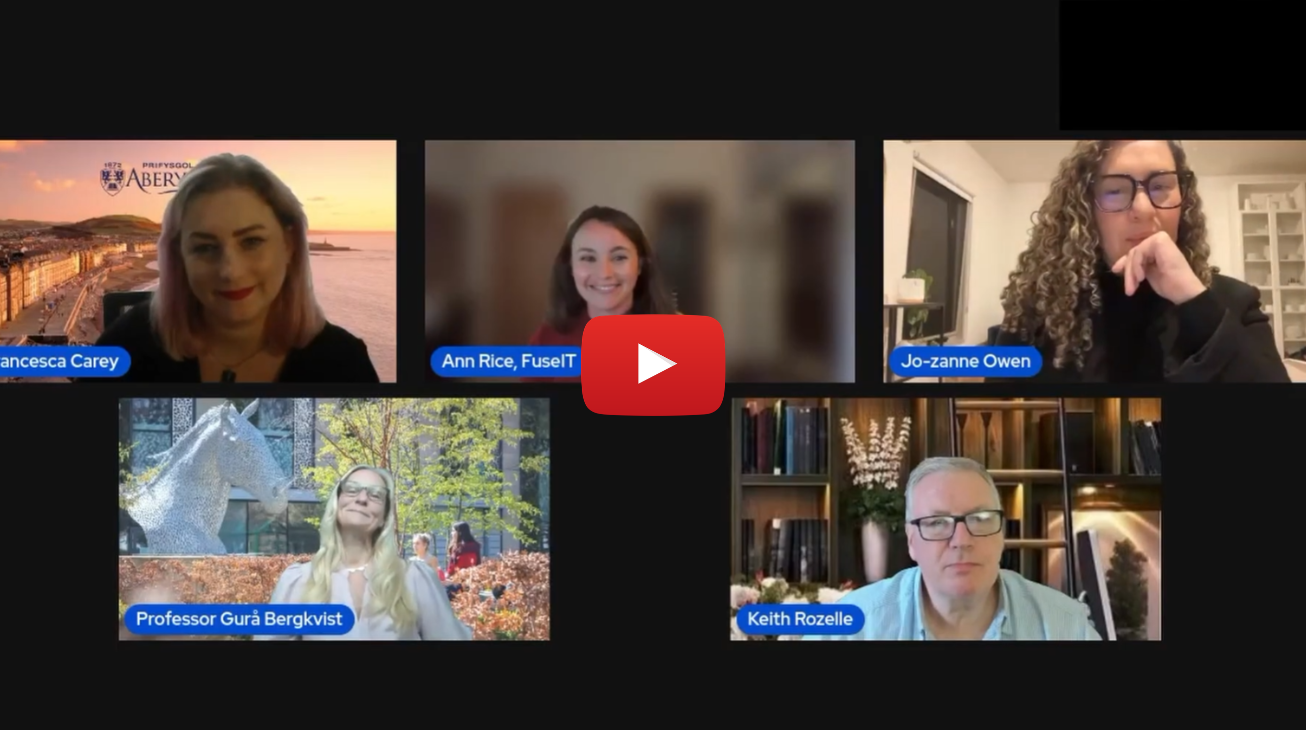
What's actually changing across the student journey from first enquiry to alumni? On 16th September, we invited institutions from Australia and the UK to compare notes and bring new perspectives.
.png)
Alumni don't disengage because they stopped caring. They disengage because the institution stopped recognising them. After years of being known through tutors, check-ins, and a personal record. It all ends the moment you graduate. What follows is a generic mailing list. The fix isn't a new alumni database. It's reading the record you already have, and responding to what each graduate actually wants next: further study, mentoring, an employer connection.
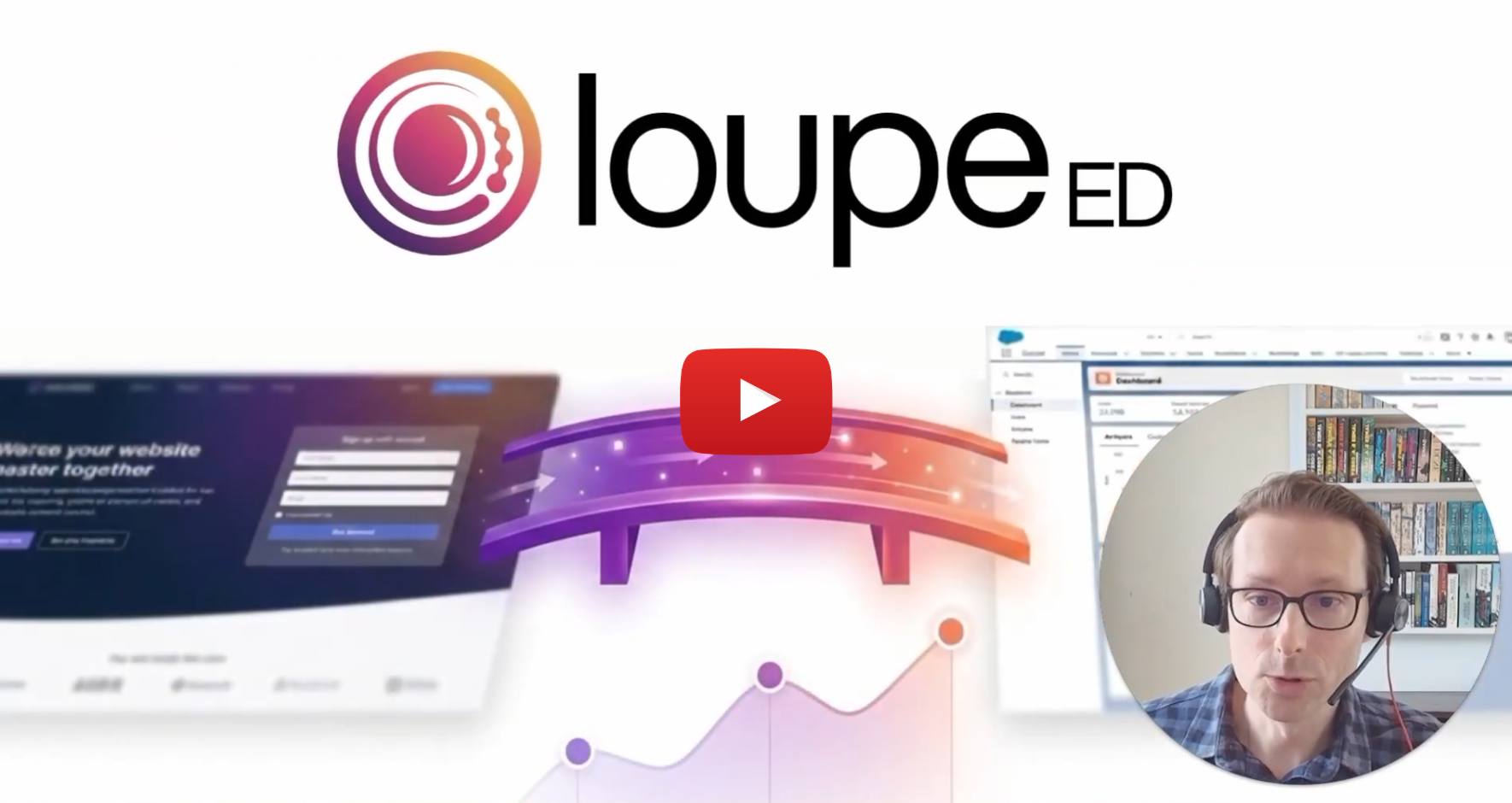
Watch as our CTO Chris Bertram takes us through a demonstration of LoupeED
.png)
To keep current students engaged, treat disengagement as your earliest warning. Fading activity, Student portal searches that lead nowhere, late-night logins, slipping attendance patterns often appears weeks before a student decides to leave. Bring those signals into one place, read them together, and intervene early with well-being and academic support while it still makes a difference.

To increase prospective student engagement on a university website, stop sending everyone the same content. Identify who each visitor is, notice which pages they keep returning to, and respond with guidance matched to that behaviour. Students engage when a website feels like it knows them, and switch off when it treats them as one of a crowd.
.png)
A hands on Demo by Our CTO Chris Bertram, of loupe turning website signals into customer intelligence, inside Salesforce.
.png)
Most revenue content treats conversion as the finish line. Win the deal, close the enrolment, complete the admission. The metrics align around it. The incentives align around it. The story of success usually ends there.
For most of the past decade, organisations did not need to think carefully about how they identified their customers online. Third-party cookies handled it invisibly: tracking visitors across the web, building behavioural profiles, making it possible to recognise returning visitors and connect behaviour across sessions and devices. It was imperfect, but it worked well enough that few organisations invested in the alternative.
.png)
What becomes possible when real-time customer signals live in the same environment where your teams do their work. In this series we look at why decision speed remains the constraint for most organisations despite continued investment in data tools, why first-party identity is the most durable advantage to build right now, and why the relationship is won after the sale, not at it.
.jpg)
A short video report from the floor in Melbourne, framed around how providers connect with families, understand what they're going through, engage them at the right moment, and guide them across a care journey that often runs for years.


Connecting systems and people since 1992.
A New Zealand–founded global tech company.


By clicking 'Accept all', you agree to the storing of cookies on your device to enhance site navigation, analyze site usage, and assist in our marketing efforts. View our Privacy Policy for more information.

